Storing food
Pests are drawn to food. So keep dry goods such as flour, pasta and rice in tightly closing containers rather than open bags.
Don’t forget animal food. A bag of feed in the shed or a feeding bowl left outside is a direct reason for many species to stay nearby.
Clean up spilled food straight away, including behind and under appliances where you look less often.
Managing waste
Use bins with a well-fitting lid and don’t leave waste inside for long periods.
Don’t put rubbish bags outside against the wall; it is one of the most common causes of problems around a home.
Also keep the area around a container or waste storage clean. Leftovers lying there attract pests.
Moisture and ventilation
Moisture plays a role with several pests, including silverfish and wood damage. Ventilate the bathroom, kitchen and cellar consistently, also in winter.
Repair leaks and deal with damp spots at the source. A damp crawl space or a leaking pipe needs a solution, not just a treatment.
Let wet rooms dry well before storing anything in them.
Maintenance and entry points
Maintain window frames and paintwork so moisture doesn’t get into the wood. That limits the chance of wood damage.
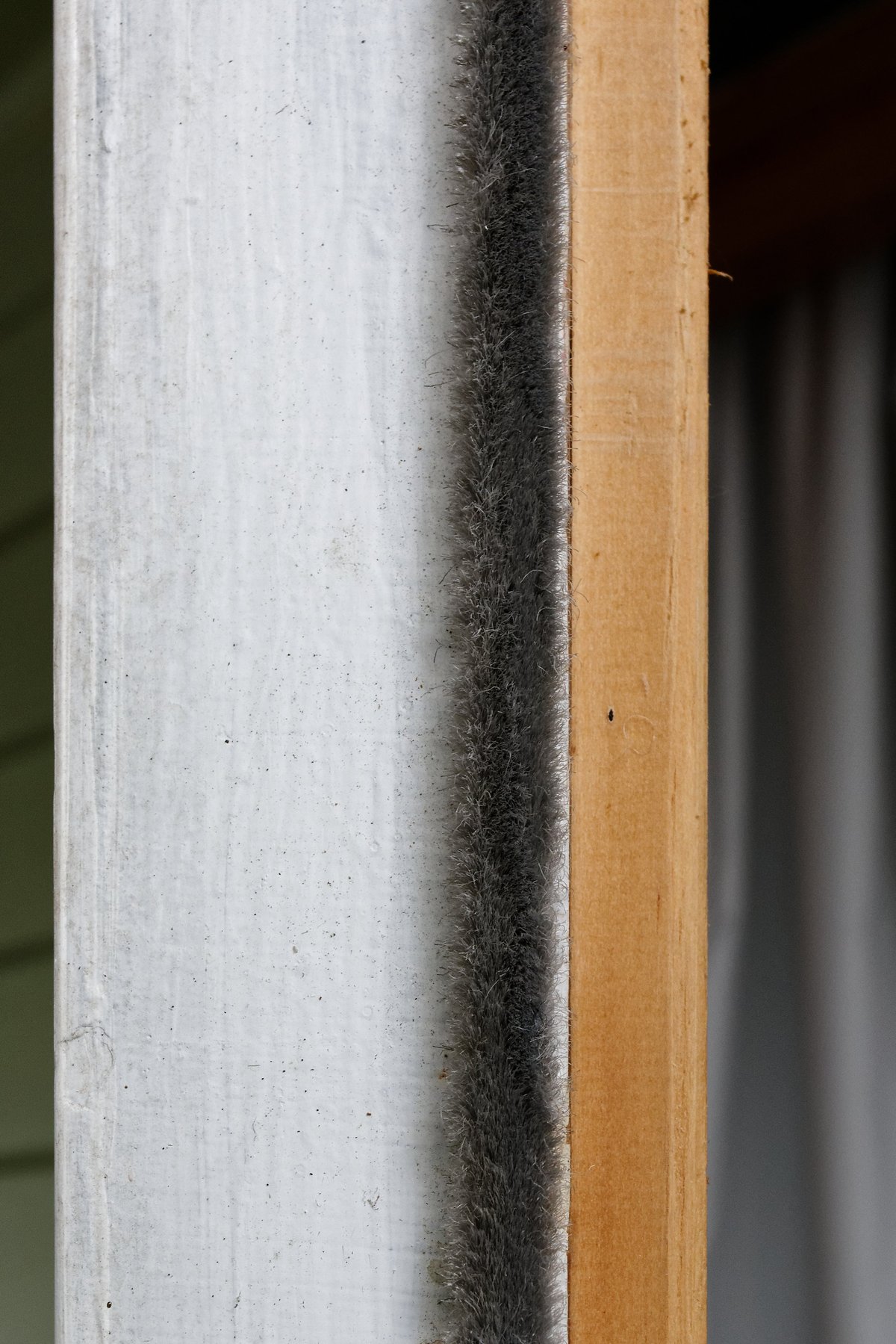
Seal cracks and openings where possible: around pipes, by a window frame, under a door. Use material that suits the spot.
Watch the boundary between outside and inside. A shed attached directly to the house is a stepping stone you want to offer as little as possible.
Around the home
Avoid piles of wood, garden waste or materials directly against the wall. They provide cover and shelter.
Clear fallen fruit and don’t place compost directly against the house.
Check sheds, garages and storage rooms for signs now and then. The sooner you notice something, the easier it is to intervene.
What prevention does and does not do
Prevention reduces the chance of new trouble, but gives no guarantee. Pests can also get in through places you don’t see, or via neighbours or adjoining premises.
What is more, the right approach differs per species. Measures that help against mice do little against silverfish or woodworm.
If you already have a problem, prevention is an addition to pest control — not a replacement. Call us to discuss what fits your situation.